Baking & Desserts Classic Vanilla Butter Cake
Highlighted under: Cakes, Pies & More
I can't get enough of this classic vanilla butter cake! It’s been my go-to for birthdays, celebrations, and those sweet moments in between. The way the rich and buttery aroma fills the kitchen as it bakes is simply irresistible. Each slice is tender and moist, with a balanced sweetness that just begs for a dollop of whipped cream or fresh berries. This cake embodies comfort and nostalgia, and once you try it, you’ll understand why it has a special place in my heart.
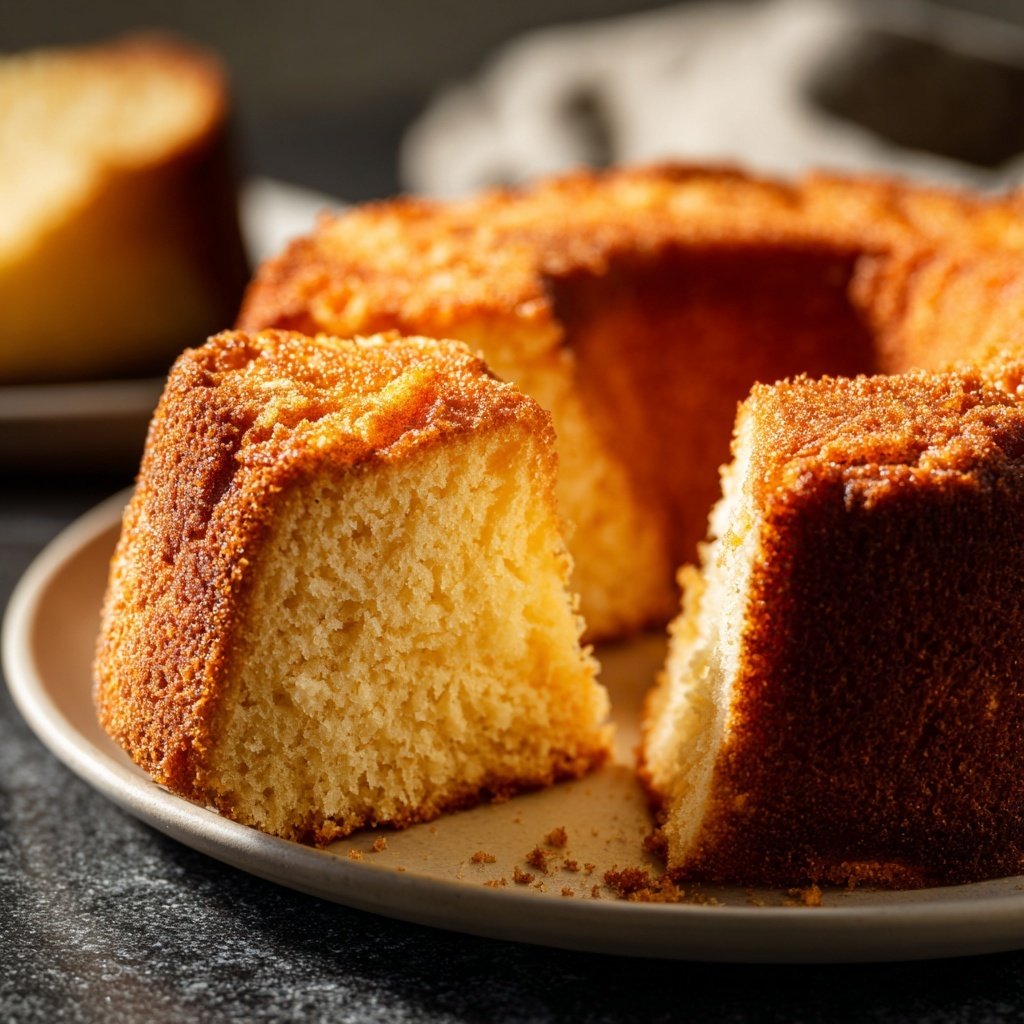
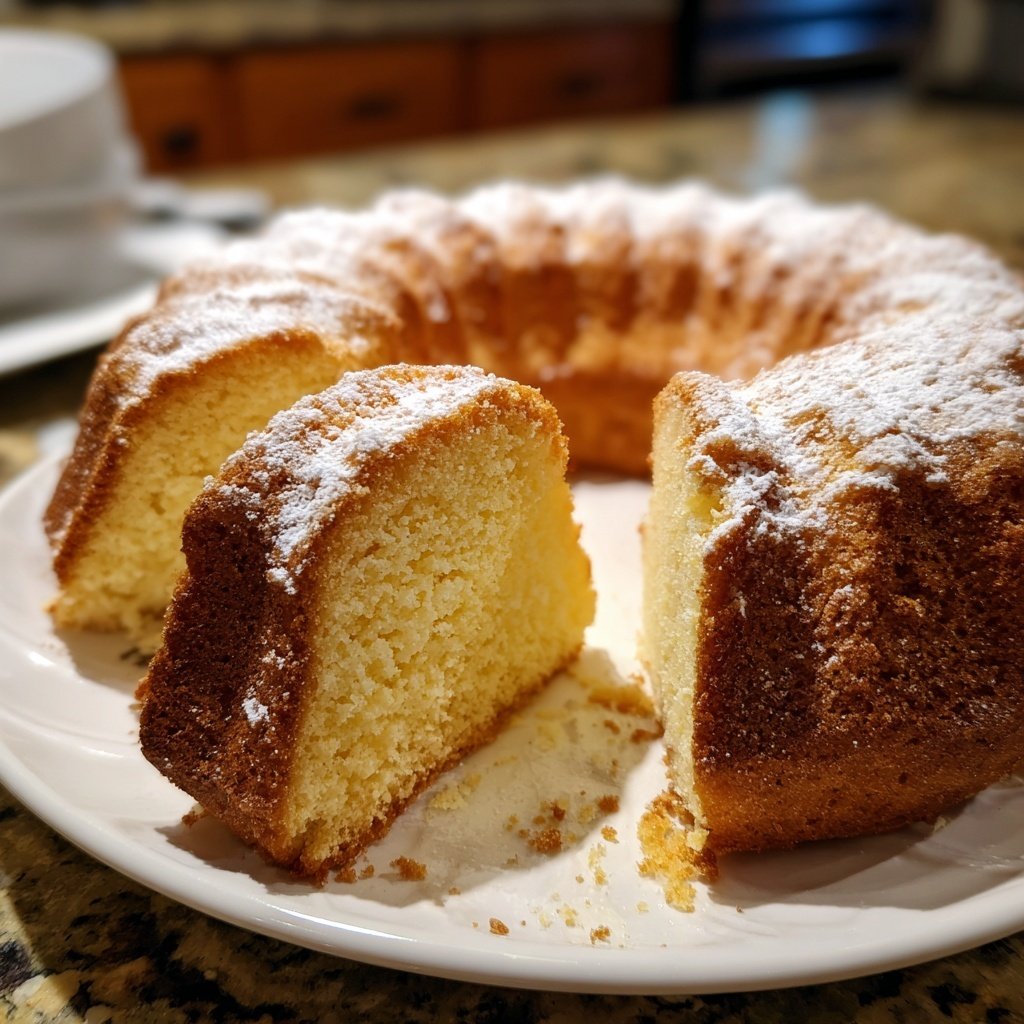
When I first learned to make this vanilla butter cake, it was during a rainy afternoon where the world outside seemed to pause. The simple joy of creaming butter and sugar together, watching it transform into a light, fluffy mixture, was magical. It’s those little techniques that elevate this cake—from using room temperature ingredients to properly folding in the flour—each step enhances the flavor and texture.
One of the secrets I've discovered over time is to let the cake cool in the pan before transferring it to a wire rack. It seems simple, but this little wait allows the cake to set, making it easier to slice later. Trust me, you won't want to skip this step!
Why You'll Love This Recipe
- Lush vanilla flavor that calls to your senses
- Moist texture that stays fresh for days
- Versatile for any occasion, from casual to fancy
Perfecting Your Butter Cake Technique
One of the key techniques for achieving a tender and moist vanilla butter cake is in the creaming process. When you cream the softened butter with granulated sugar, aim for a light and fluffy texture. This process incorporates air into the batter, which helps the cake rise. If your butter is too cold or too warm, it won't cream properly. I recommend letting the butter sit at room temperature for about 30 minutes before starting to ensure it’s just the right softness.
Another crucial step is in the mixing of ingredients. When incorporating the dry ingredients with the wet mixture, do so gradually. This helps to avoid over-mixing, which can lead to a dense cake. Alternate adding the dry ingredients with the milk, starting and ending with the flour mixture. This technique ensures the batter stays light and airy. Remember to mix just until the ingredients are combined; small lumps in the batter are perfectly fine.
Choosing Ingredients Wisely
The quality of your ingredients can significantly impact the flavor and texture of your cake. For the best vanilla flavor, opt for pure vanilla extract instead of imitation vanilla. It enhances the cake's aroma and adds depth to the overall taste. Additionally, using unsalted butter allows you to control the salt level better and helps the sweetness shine through without being masked.
If you're looking to make this cake more versatile or accommodate dietary needs, consider substituting the all-purpose flour with a gluten-free blend if you need a gluten-free option. Ensure the blend contains xanthan gum, which will help mimic the structure that gluten provides. For a dairy-free version, you can replace the butter with a plant-based alternative and use almond or oat milk instead of whole milk.
Ingredients
For the Cake
- 1 cup unsalted butter, softened
- 2 cups granulated sugar
- 4 large eggs
- 1 tablespoon pure vanilla extract
- 3 cups all-purpose flour
- 1 tablespoon baking powder
- 1/2 teaspoon salt
- 1 cup whole milk
For the Frosting (optional)
- 1/2 cup unsalted butter, softened
- 4 cups powdered sugar
- 2-3 tablespoons milk
- 1 teaspoon pure vanilla extract
Make sure all ingredients are at room temperature for best results.
Instructions
Preheat the Oven
Preheat your oven to 350°F (175°C) and grease two 9-inch round cake pans.
Cream Butter and Sugar
In a large mixing bowl, cream together the softened butter and granulated sugar until light and fluffy.
Add Eggs and Vanilla
Add the eggs one at a time, mixing well after each addition, then stir in the vanilla extract.
Combine Dry Ingredients
In another bowl, whisk together the flour, baking powder, and salt.
Mix the Batter
Gradually add the dry ingredients to the wet mixture, alternating with the milk, starting and ending with the flour mixture.
Pour and Bake
Divide the batter evenly between the prepared pans and smooth the tops. Bake for 30-40 minutes, or until a toothpick inserted into the center comes out clean.
Cool the Cakes
Allow the cakes to cool in the pans for 10 minutes before transferring to wire racks to cool completely.
Prepare Frosting (Optional)
In a mixing bowl, beat the softened butter and powdered sugar until smooth. Add milk and vanilla until you reach a desired consistency.
Frost the Cake
Once the cakes are completely cool, frost between the layers and on top of the cake if desired.
Enjoy your delicious vanilla butter cake with a side of fresh fruit or whipped cream!
Pro Tips
- For an extra flavor boost, try adding a tablespoon of lemon zest or almond extract to the batter.
Storage and Freshness
To store your vanilla butter cake, wrap it tightly in plastic wrap or place it in an airtight container. This helps maintain moisture, keeping it fresh for up to five days at room temperature. If you anticipate not finishing the cake within this time, consider freezing it. Wrap slices individually in plastic wrap and place them in a freezer-safe bag; the cake can last up to two months in the freezer.
When you’re ready to enjoy a slice from the freezer, simply thaw it in the refrigerator overnight. To revive the cake’s moistness, you can warm it in the microwave for a few seconds before serving. This is particularly delightful if you plan to pair your slice with a scoop of ice cream or a dollop of whipped cream.
Frosting and Serving Tips
While the cake is delicious on its own, a simple buttercream frosting elevates it to a new level. The optional frosting can be adjusted for sweetness; start with 4 cups of powdered sugar and add milk slowly until you reach the desired consistency. For a fun twist, consider adding lemon or orange zest to the frosting to give it a refreshing citrus note that works beautifully with the vanilla flavor.
For presentation, it's a nice touch to garnish your frosted cake with fresh berries or edible flowers. This not only adds a pop of color but also enhances the flavor contrast. I often serve this cake at gatherings, slicing it into generous pieces, and it's always a hit when paired with a warm cup of tea or coffee.
Questions About Recipes
→ Can I use cake flour instead of all-purpose flour?
Yes, using cake flour will give your cake a lighter texture.
→ How do I store leftover cake?
Store leftover cake in an airtight container at room temperature for up to 3 days or in the refrigerator for up to a week.
→ Can I freeze the cake?
Absolutely! Wrap the cooled cake tightly in plastic wrap and freeze for up to 3 months.
→ What can I substitute for butter?
You can substitute with margarine or a vegan butter alternative if needed.
Baking & Desserts Classic Vanilla Butter Cake
Created by: Paige Sullivan
Recipe Type: Cakes, Pies & More
Skill Level: Intermediate
Final Quantity: 8 servings
What You'll Need
For the Cake
- 1 cup unsalted butter, softened
- 2 cups granulated sugar
- 4 large eggs
- 1 tablespoon pure vanilla extract
- 3 cups all-purpose flour
- 1 tablespoon baking powder
- 1/2 teaspoon salt
- 1 cup whole milk
For the Frosting (optional)
- 1/2 cup unsalted butter, softened
- 4 cups powdered sugar
- 2-3 tablespoons milk
- 1 teaspoon pure vanilla extract
How-To Steps
Preheat your oven to 350°F (175°C) and grease two 9-inch round cake pans.
In a large mixing bowl, cream together the softened butter and granulated sugar until light and fluffy.
Add the eggs one at a time, mixing well after each addition, then stir in the vanilla extract.
In another bowl, whisk together the flour, baking powder, and salt.
Gradually add the dry ingredients to the wet mixture, alternating with the milk, starting and ending with the flour mixture.
Divide the batter evenly between the prepared pans and smooth the tops. Bake for 30-40 minutes, or until a toothpick inserted into the center comes out clean.
Allow the cakes to cool in the pans for 10 minutes before transferring to wire racks to cool completely.
In a mixing bowl, beat the softened butter and powdered sugar until smooth. Add milk and vanilla until you reach a desired consistency.
Once the cakes are completely cool, frost between the layers and on top of the cake if desired.
Extra Tips
- For an extra flavor boost, try adding a tablespoon of lemon zest or almond extract to the batter.
Nutritional Breakdown (Per Serving)
- Calories: 380 kcal
- Total Fat: 26g
- Saturated Fat: 15g
- Cholesterol: 195mg
- Sodium: 85mg
- Total Carbohydrates: 32g
- Dietary Fiber: 3g
- Sugars: 24g
- Protein: 6g